
Learning how to say how are you in Farsi is one of the fastest ways to connect with Persian speakers. The most common phrase is “Halet chetori?” for casual settings and “Hâl-e shomâ chetor-e?” for formal situations. This guide covers pronunciation, cultural context, and practical tips so you can greet people confidently and make a great impression.
Have you ever wanted to greet someone in Farsi and felt completely lost? Maybe you are planning a trip to Iran, or you have a Persian-speaking friend you want to impress. Whatever the reason, learning how to say how are you in Farsi is the perfect starting point. It is simple, useful, and opens doors to deeper conversations.
The Farsi language, also known as Persian, is one of the oldest languages in the world. It carries a rich history and deep cultural warmth. When you learn even a few basic phrases, people notice. They appreciate the effort. And that appreciation can turn a simple hello into a meaningful connection. In this article, we will walk you through every way to ask “how are you” in Farsi, from casual to formal, and everything in between.
Key Takeaways
- Halet chetori? is the go-to casual way to ask “how are you” in Farsi.
- Hâl-e shomâ chetor-e? is the polite, formal version for respected individuals.
- Farsi greetings carry deep cultural meaning and show respect.
- Pronunciation is simpler than most people think, and practice makes perfect.
- Using the right greeting in the right setting helps you build trust and rapport quickly.
- Adding a smile and warm tone makes any Farsi greeting feel natural and genuine.
📑 Table of Contents
- Why Learning Farsi Greetings Matters
- The Most Common Ways to Say How Are You in Farsi
- Understanding the Cultural Context of Farsi Greetings
- Pronunciation Guide for Farsi Greetings
- Using Farsi Greetings in Different Situations
- Common Mistakes to Avoid When Greeting in Farsi
- Quick Tips to Sound More Natural in Farsi
- Key Takeaways
- Conclusion
Why Learning Farsi Greetings Matters
Greetings are more than just words. In Farsi culture, they carry weight. When you greet someone properly, you show respect. You show that you care. This is especially true in Iranian culture, where personal relationships matter deeply.
Think about it this way. When someone greets you in your own language, how does it feel? It feels good. It feels personal. The same happens when you greet a Persian speaker in their language. It instantly breaks down barriers. It builds trust. And it sets the stage for a much warmer conversation.
Here are a few reasons why Farsi greeting phrases are so important:
- They show respect. Using the right form of greeting shows you understand Persian customs.
- They build rapport. People open up more when they feel respected.
- They make you memorable. Most people do not bother learning Farsi greetings. Doing so sets you apart.
- They create confidence. When you know what to say, you feel more comfortable in any conversation.
Once you master the basics of how to greet in Farsi, you will find that conversations flow much more naturally. People will smile. They will appreciate your effort. And you will feel more confident every time you speak.
The Most Common Ways to Say How Are You in Farsi
Now let us get to the heart of the matter. There are several ways to ask “how are you” in Farsi. The version you choose depends on who you are talking to and the setting. Let us break them down one by one.
Halet Chetori? (Casual)
This is the most common and widely used phrase. You would use it with friends, peers, and people your age. It is relaxed, friendly, and natural.
Halet chetori? (pronounced: ha-let cheh-to-ri?)
This literally translates to “Your condition, how is it?” But in practice, it simply means “How are you?” It is the Farsi equivalent of the English phrase, and it works in almost any informal setting.
Here are some tips for using this phrase:
- Use it with friends and people your own age.
- Pair it with a smile for a warm effect.
- It works great in everyday conversations, at markets, or in casual social settings.
- You can respond to it with “Man khoobam” (I am fine) or “Khub nistam” (I am not fine).
Chetori? (Super Casual)
This is an even shorter and more relaxed version. If you are very close to someone, you might just say chetori? (pronounced: cheh-to-ri?). It is like saying “Hey, how’s it going?” in English.
This version is perfect for:
- Close friends
- Family members
- Young people hanging out
Keep in mind that this is not appropriate for formal settings or older people. Using it with someone you just met or someone older might come across as too casual.
Hâl-e Shomâ Chetor-e? (Formal)
When you need to be polite and respectful, this is the version to use. It is the formal way to ask “how are you” and is appropriate for:
- Elders and older people
- People you have just met
- Professional or business settings
- Anyone you want to show extra respect to
Hâl-e shomâ chetor-e? (pronounced: ha-le shoh-mah cheh-to-reh?)
The word “shomâ” is the formal “you” in Farsi. Using it shows that you understand Persian social etiquette. It is a small word, but it makes a big difference.
If someone asks you this in a formal setting, a good response would be:
- Man hâlb khoobam. (I am very well.)
- Merci, hâlb khoobam. (Thank you, I am well.)
- Khub nistam, merci. (I am not well, thank you.)
Other Useful Variations
Farsi is a rich and expressive language. There are other ways to ask about someone’s well-being too. Here are a few more phrases you might find handy:
- Hâl chetor-e? — A slightly shorter formal version.
- Khubi? (feminine) — Used when asking a woman how she is. Pronounced khu-bee?
- Khubi? (masculine) — Used when asking a man how he is. Pronounced khu-bee?
- Aajib nist? — Means “Nothing unusual?” It is a casual way to check in.
Each of these phrases has its own place. Learning when to use each one is part of understanding the Persian language basics. Once you get the hang of it, switching between them feels natural and effortless.
Understanding the Cultural Context of Farsi Greetings
Farsi is not just a language. It is a window into a rich culture. When you learn how to say how are you in Farsi, you are also learning about Persian values. These values include respect, warmth, and genuine interest in others.
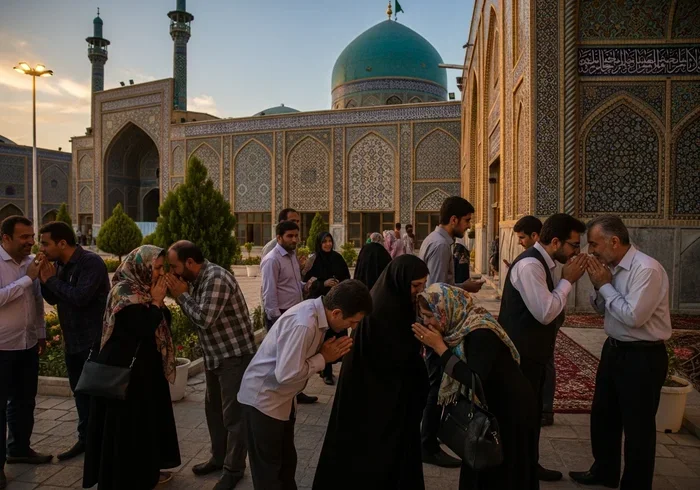
In Iran, greetings are not rushed. People often ask about your well-being before jumping into any other topic. This is a sign of care and respect. It shows that the person in front of you matters. Understanding this cultural context helps you use these phrases with the right feeling and intention.
Here are some cultural notes to keep in mind:
- Eye contact matters. When greeting someone, maintain gentle eye contact. It shows sincerity.
- Tone is important. A warm, friendly tone makes any greeting feel genuine.
- Physical touch varies. In some settings, people may shake hands. In others, a slight nod works perfectly.
- Follow-up questions are common. After asking “how are you,” many Persians will ask about your family, your health, or your work. This is a sign of genuine interest.
If you want to make a lasting impression, try combining your greeting with a farsi joke or a light compliment. It shows you have put in effort and that you understand the culture beyond just words. You can find some great examples at our Farsi Jokes page to add some fun to your conversations.
Pronunciation Guide for Farsi Greetings
Pronouncing Farsi phrases correctly can feel tricky at first. But the good news is that Farsi pronunciation is quite consistent. Once you learn the basic sounds, you can read and say almost anything.
Here is a quick breakdown of the key sounds in the main greetings:
- Halet — “ha” like in “hat,” “let” like in “letter.”
- Choti — “cho” like in “chocolate,” “ti” like in “tea.”
- Shomâ — “show” like in “show,” “mah” like in “ma” in “mother.”
- Chetor-e — “che” like in “check,” “to” like in “today,” “re” like a soft “reh.”
The biggest challenge for English speakers is the “kh” sound in “khoob” (meaning good). This sound is similar to the clearing-your-throat sound. It is not harsh. It just takes a little practice. Try saying “k” and then gently exhale. That is the sound.
Another tip: Farsi has a rolling “r” sound. It is softer than the English “r.” Think of it as a light tap of the tongue against the roof of your mouth. With a little practice, it will start to feel natural.
If you want to go deeper into learning Farsi basics, practice these phrases out loud every day. Even five minutes a day makes a huge difference. Over time, your pronunciation will improve, and you will sound more natural.
Using Farsi Greetings in Different Situations
Knowing the phrases is only half the battle. The other half is knowing when and how to use them. Different situations call for different approaches. Let us look at some real-life scenarios.
Meeting Someone for the First Time
When you meet someone new, always use the formal version. Hâl-e shomâ chetor-e? is your best bet. It shows politeness and respect. Pair it with a handshake and a warm smile. If the other person switches to a casual tone, you can follow their lead.
Catching Up with a Friend
With close friends, keep it light and casual. Halet chetori? or even just chetori? works perfectly. You can add a friendly tone and maybe a quick joke to make the conversation fun. If you want some ideas for jokes to tell your crush, you can check out our Jokes To Tell Your Crush guide. Many of those jokes work well in Farsi conversations too.
Talking to an Elder or Someone You Respect
Always go formal with elders. Use Hâl-e shomâ chetor-e? and be patient with the response. Elders in Persian culture often appreciate when younger people make the effort to speak properly. It shows maturity and respect.
At a Market or Shop
In casual commercial settings, a simple halet chetori? works well. It is friendly without being too familiar. Shopkeepers in Iran often appreciate a warm greeting before getting down to business.
On the Phone or in Text Messages
In text messages, you can use the casual versions. “Halet chetori?” or “Chetori?” are perfect for texting. They feel natural and modern. For a more formal text, stick with the formal version.
Common Mistakes to Avoid When Greeting in Farsi
Even with the best intentions, learners sometimes make mistakes. Here are a few common ones to watch out for:
- Using the wrong formality level. This is the most common mistake. Using “chetori?” with an elder or a stranger can feel disrespectful.
- Forgetting the gender distinction. “Khubi?” changes slightly depending on whether you are speaking to a man or a woman. Pay attention to this.
- Rushing the greeting. Farsi greetings are meant to be warm and unhurried. Rushing through them can feel cold.
- Ignoring the follow-up. After asking “how are you,” many Persians will ask you back. Always be ready to respond and to ask in return.
- Pronouncing “kh” incorrectly. The “kh” sound is unique to Farsi. Practice it until it feels comfortable.
Avoiding these mistakes will make your Farsi conversation starters much more effective. People will notice your attention to detail, and it will make your interactions smoother and more enjoyable.
Quick Tips to Sound More Natural in Farsi
Want to take your Farsi greetings to the next level? Here are some quick tips:
- Practice daily. Say the phrases out loud every morning. Repetition builds muscle memory.
- Listen to native speakers. Watch Farsi movies, listen to Persian music, or follow Farsi speakers on social media.
- Use body language. A warm smile and open posture go a long way in any language.
- Keep a phrasebook handy. Write down new greetings and review them regularly.
- Find a language partner. Practicing with a real person is the fastest way to improve.
- Do not fear mistakes. Everyone makes them. Persians are generally very forgiving and encouraging with learners.
If you are looking for ways to keep conversations going after the greeting, try learning some light jokes or fun phrases. Check out our Good Jokes to Tell a Girl collection for ideas that work well in casual Farsi conversations too.
Key Takeaways
- Halet chetori? is the most common casual way to ask “how are you” in Farsi.
- Hâl-e shomâ chetor-e? is the formal version you should use with elders, strangers, and in professional settings.
- Chetori? is the super casual version for close friends and family.
- Understanding the cultural context behind Farsi greetings helps you use them with the right warmth and respect.
- Pronunciation takes practice, but Farsi is phonetically consistent and learnable.
- Avoid common mistakes like using the wrong formality level or ignoring follow-up questions.
- Combining greetings with humor and cultural awareness makes you a truly impressive conversationalist.
Conclusion
Learning how to say how are you in Farsi is a small step that leads to big connections. Whether you are traveling, making new friends, or simply expanding your language skills, these greetings open doors. They show respect, build trust, and make conversations feel genuine.
Start with the casual version if you are unsure. It works in most situations. Then, as you grow more comfortable, add the formal version to your toolkit. Before long, you will switch between them naturally, and people will notice your effort.
The beauty of the Farsi language lies in its warmth. Every greeting carries a sense of care and connection. When you speak even a few words in Farsi, you are not just communicating. You are building bridges. So practice these phrases, use them with confidence, and enjoy the smiles that come with speaking someone’s language with heart.
Remember, the goal is not perfection. The goal is connection. And every time you say halet chetori? with a genuine smile, you are one step closer to truly connecting with the Persian-speaking world.
Frequently Asked Questions
What is the easiest way to say how are you in Farsi?
The easiest and most common way is to say “Halet chetori?” It works in casual settings with friends and people your age. It is simple, natural, and widely understood across Iran and other Farsi-speaking regions.
Is there a formal version of “how are you” in Farsi?
Yes, the formal version is “Hâl-e shomâ chetor-e?” Use this when speaking to elders, strangers, or in professional settings. It shows respect and politeness, which are very important in Persian culture.
Can I use “chetori?” with someone I just met?
It is best to avoid using “chetori?” with someone you just met. It is too casual and can come across as disrespectful. Stick with “Halet chetori?” for slightly informal settings or “Hâl-e shomâ chetor-e?” for formal first meetings.
How do I respond when someone asks me “how are you” in Farsi?
A simple and common response is “Man khoobam,” which means “I am fine.” You can also say “Merci, hâlb khoobam” for a more polite reply. If you are not doing well, “Khub nistam” works perfectly.
Are Farsi and Persian the same language?
Yes, Farsi and Persian refer to the same language. “Farsi” is the name used in Persian, while “Persian” is the English name. Both terms are widely accepted and understood.
Do I need to learn the whole Farsi alphabet to greet people?
No, you do not need to learn the entire alphabet to greet people. The phrases we covered use sounds that are close to English letters. With a little practice, you can greet people confidently without reading Farsi script.