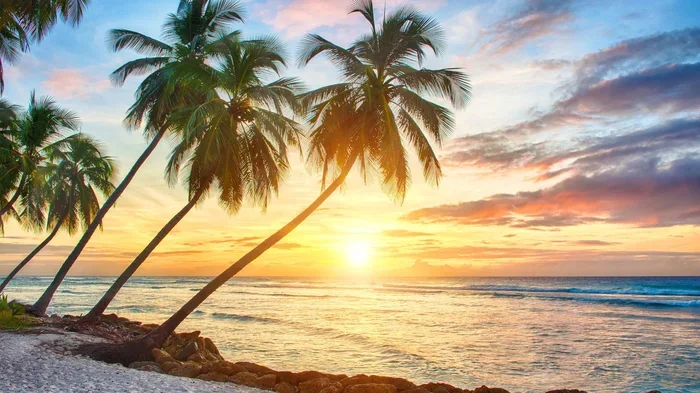

The la playa meaning is simple yet powerful — it translates to “the beach” in English. This Spanish phrase opens a door to coastal culture, travel, and language learning. Whether you are planning a trip or expanding your vocabulary, understanding la playa meaning enriches your connection to the Spanish-speaking world. La playa is more than just a word; it represents sun, sand, and endless summer vibes. Let us explore everything about this captivating term together.
Have you ever heard someone say “la playa” and wondered what it means? You are not alone. La playa meaning is one of the most searched Spanish phrases on the internet today. People encounter this phrase in songs, movies, travel guides, and social media posts. The curiosity is real, and the answer is beautifully simple.
La playa means “the beach” in English. But that simple translation barely scratches the surface. The word carries the warmth of golden sand, the sound of crashing waves, and the joy of sun-soaked days. It represents a lifestyle, a dream, and a universal love for the coast. In this article, we will dive deep into the la playa meaning, explore its origins, and show you how to use it in real life.
Whether you are a Spanish learner, a travel enthusiast, or simply someone who loves the ocean, this guide has something for you. We will cover everything from basic definitions to cultural insights. By the end, you will never look at the phrase “la playa” the same way again. Let us get started.
Key Takeaways
- La playa meaning: It translates directly to “the beach” in English and is one of the most recognized Spanish words worldwide.
- Rich cultural significance: The word connects deeply to beach culture, coastal living, and leisure traditions across Spanish-speaking countries.
- Global usage: La playa appears in place names, travel destinations, and everyday conversations from Spain to Latin America.
- Easy to learn: The phrase is simple, making it a perfect starting point for Spanish language beginners.
- Versatile applications: You can use la playa in sentences, travel guides, poetry, and casual conversation.
- Etymology adds depth: The word has Latin roots and a fascinating history that stretches back centuries.
- Travel essential: Knowing la playa meaning helps you navigate beach destinations with confidence and cultural awareness.
📑 Table of Contents
- What Does La Playa Mean?
- The Origin and History of La Playa
- La Playa in Everyday Spanish
- La Playa Around the World
- Famous Places Named La Playa
- La Playa and Beach Culture
- How to Use La Playa in Travel Planning
- Common Mistakes People Make with La Playa
- Expert Insights on La Playa Meaning
- Key Takeaways
- Conclusion
What Does La Playa Mean?
The la playa meaning in English is “the beach.” It is a straightforward noun phrase in Spanish. “La” is the definite article, similar to “the” in English. “Playa” is the noun that means “beach.” Together, they form one of the most commonly used phrases in the Spanish language.
But language is never just about direct translation. When you say la playa, you are not just referring to a strip of sand. You are invoking an entire experience. Think of the smell of saltwater, the feel of warm sand under your feet, and the sight of turquoise waves rolling in.
Breaking Down the Words
Let us look at each part of the phrase more closely:
- La: This is the Spanish feminine definite article. It means “the” and is used before feminine nouns. “Playa” is a feminine noun in Spanish, which is why it pairs with “la.”
- Playa: This noun refers to a beach, specifically a sandy or rocky shore by the sea or ocean. It comes from the Latin word “plagia,” which means “shore” or “bank.”
When you combine them, la playa becomes a phrase that millions of people recognize instantly. It is one of the first words many Spanish learners memorize. And for good reason — it opens the door to talking about one of the most beloved destinations on Earth.
La Playa Meaning in Different Contexts
The la playa meaning can shift slightly depending on context. In a literal sense, it means the physical beach. But in cultural and emotional contexts, it means so much more. Here are a few ways people use the phrase:
- Literal context: “Voy a la playa” means “I am going to the beach.” This is the most common everyday usage.
- Emotional context: For many, “la playa” represents freedom, relaxation, and escape from daily stress.
- Cultural context: In Spanish-speaking countries, la playa is a central part of social life, family gatherings, and celebrations.
- Travel context: Travel bloggers and influencers use the phrase to describe coastal destinations and seaside getaways.
Understanding these different layers of meaning helps you appreciate the phrase far beyond its basic translation.
The Origin and History of La Playa
Every word has a story, and la playa is no exception. The la playa meaning traces back to ancient Latin roots. The word “playa” evolved from the Latin term “plagia,” which referred to the shore of a river or sea. Over centuries, Latin evolved into Romance languages, and “plagia” transformed into the Spanish word we know today.
Latin Roots and Evolution
The journey of the word is fascinating. Latin “plagia” gave rise to several related terms across Romance languages:
- Spanish: Playa (beach)
- Italian: Spiaggia (beach)
- Portuguese: Praia (beach)
- French: Plage (beach)
Notice how the Latin root “plagia” is still visible in Spanish and French. This shared linguistic heritage connects millions of people across different countries and cultures. The word “playa” has been part of the Spanish language for centuries, and its usage has only grown over time.
How La Playa Became a Cultural Symbol
In Spanish-speaking countries, la playa became more than just a geographic location. It became a symbol of community, joy, and tradition. In Spain, the concept of “playa” is tied to the siesta culture and the long, relaxed summer months. Families gather at la playa for picnics, swimming, and socializing.
In Latin America, beach culture is equally vibrant. From the Caribbean coasts of Colombia and Venezuela to the Pacific shores of Mexico and Peru, la playa is where life happens. Street vendors sell fresh fruit, musicians play lively rhythms, and children build sandcastles for hours. The beach is not just a place to visit — it is a way of life.
La Playa in Everyday Spanish
Now that you know the la playa meaning, let us explore how native speakers use it daily. The phrase appears in countless everyday expressions and conversations. Learning these will help you sound more natural when speaking Spanish.
Common Phrases with La Playa
Here are some popular Spanish phrases that include “la playa”:
- Ir a la playa: To go to the beach. This is the most common phrase and one of the first things learners study.
- Estar en la playa: To be at the beach. Perfect for describing your current location or plans.
- La playa está llena: The beach is full. Useful when checking beach conditions before heading out.
- Me encanta la playa: I love the beach. A simple but heartfelt expression of affection for coastal spaces.
- ¿Qué playa recomiendas?: Which beach do you recommend? A great question for travel planning.
Using La Playa in Sentences
Practicing with real sentences helps you internalize the phrase. Here are some examples you can use today:
- “Hoy vamos a la playa con la familia.” (Today we are going to the beach with the family.)
- “La playa está muy bonita este verano.” (The beach is very beautiful this summer.)
- “Prefiero la playa a la montaña.” (I prefer the beach to the mountains.)
- “¿A qué hora llegamos a la playa?” (What time do we arrive at the beach?)
- “Mi recuerdo favorito es caminar por la playa al atardecer.” (My favorite memory is walking along the beach at sunset.)
Each of these sentences uses the la playa meaning in a natural way. Try saying them out loud to practice your pronunciation. The more you use the phrase, the more comfortable it will feel.
Quick Tips for Remembering La Playa Meaning
Here are some easy tricks to help you remember the la playa meaning:
- Visual association: Picture a beautiful beach every time you hear or read “la playa.” The mental image will reinforce the meaning.
- Rhyme and rhythm: “La playa” has a musical quality. Say it aloud a few times and let the rhythm stick in your memory.
- Daily practice: Use the phrase in your daily thoughts. Even silently saying “I want to go to la playa” helps build familiarity.
- Watch Spanish content: Look for travel videos or beach scenes with Spanish narration. Hearing the phrase in context boosts retention.
La Playa Around the World
The la playa meaning resonates far beyond Spain and Mexico. Beach culture exists in nearly every Spanish-speaking country, and the phrase “la playa” carries universal appeal. Let us explore how different regions embrace this beautiful word.
La Playa in Spain
Spain is home to some of the most famous beaches in Europe. From the Costa del Sol to the Balearic Islands, la playa is a central part of Spanish identity. The Spanish take their beach days seriously. Long lunches, late afternoons, and sunset strolls along the shore define the coastal experience.
In Spain, you will hear “la playa” mentioned constantly during the summer months. Beach towns like Barcelona, Valencia, and Malaga draw millions of visitors each year. The phrase “ir a la playa” (going to the beach) is practically a national pastime.
La Playa in Latin America
Latin America offers some of the most stunning coastlines on the planet. Each country brings its own unique twist to la playa culture:
- Mexico: Beaches in Cancun, Puerto Vallarta, and Tulum are world-renowned. “La playa” in Mexico means turquoise water, fresh tacos, and vibrant nightlife.
- Colombia: The Caribbean coast features beautiful beaches in Cartagena and Santa Marta. La playa culture here is lively and music-filled.
- Brazil: While Portuguese is the main language, the beach culture shares similarities. “La playa” concepts translate to “a praia” in Brazilian Portuguese.
- Argentina: Mar del Plata is the country’s most famous beach destination. Argentinians flock to “la playa” during the summer holidays.
La Playa in the Caribbean
The Caribbean is a paradise of white sand and crystal-clear water. While many Caribbean nations speak English, Spanish-speaking islands like Cuba, the Dominican Republic, and Puerto Rico use “la playa” in everyday life. The phrase evokes images of palm trees, warm breezes, and endless horizons.
Famous Places Named La Playa
One of the most interesting aspects of la playa meaning is how the phrase appears in place names around the world. Several towns, neighborhoods, and landmarks carry the name “La Playa,” connecting their identity to the beach.
La Playa de Belen
You may recognize “La Playa de Belen” as a well-known Spanish-language song. The phrase literally means “The Beach of Bethlehem,” but the song uses beach imagery to tell a story of love and longing. The la playa meaning in this context blends the literal beach with emotional depth.
La Playa, Tenerife
In the Canary Islands, there is a neighborhood called La Playa. It sits along the coast and offers stunning ocean views. The name speaks for itself — it is a place defined by its beach. Visitors to Tenerife often search for “La Playa” when planning their trips.
La Playa, San Diego
Even in the United States, the name “La Playa” appears. In San Diego, California, La Playa is a coastal community that reflects both Spanish heritage and American beach culture. The name honors the area’s deep connection to the ocean and its history as a Spanish settlement.
These place names show how the la playa meaning extends beyond language. It becomes part of identity, geography, and heritage. Wherever you find “La Playa,” you find a connection to the sea.
La Playa and Beach Culture
Understanding la playa meaning also means understanding beach culture. The beach is not just a physical location — it is a social space, a recreational zone, and a source of inspiration. In Spanish-speaking countries, beach culture runs deep.
Beach Traditions Across the Spanish-Speaking World
Every Spanish-speaking country has its own unique beach traditions. Here are some highlights:
- Spain: The “chiringuito” culture. These small beachside bars serve cold drinks and tapas right on the sand. Visiting a chiringuito is a must-do at la playa.
- Mexico: Beach festivals and celebrations. Many coastal towns host events featuring music, dancing, and local food along the shore.
- Colombia: Beach soccer and volleyball are hugely popular. Friends and families gather at la playa for friendly competitions.
- Cuba: Beach parties and live music. The Cuban beach scene is lively, colorful, and full of energy.
La Playa in Art and Literature
The beach has inspired artists, poets, and writers for centuries. In Spanish-language literature, la playa often symbolizes freedom, escape, and renewal. Many poets have written about the beauty and solitude of the shore. The phrase appears in songs, paintings, and films, reinforcing its emotional power.
When you understand the la playa meaning, you also tap into a rich artistic tradition. The beach becomes more than sand and water — it becomes a canvas for human emotion and creativity.
How to Use La Playa in Travel Planning
If you are planning a trip to a Spanish-speaking destination, knowing the la playa meaning will make your experience smoother and more enjoyable. Here are practical tips for using the phrase during your travels.
Asking for Beach Recommendations
When you arrive at a new place, locals are your best source of advice. Try these phrases:
- “¿Cuál es la mejor playa cerca de aquí?” (What is the best beach near here?)
- “¿Hay una playa tranquila cerca?” (Is there a quiet beach nearby?)
- “Me gusta la playa con arena blanca.” (I like the beach with white sand.)
Describing Your Beach Day
Use these expressions to share your experience:
- “Hoy pasé todo el día en la playa.” (I spent the whole day at the beach today.)
- “El agua en la playa estaba cristalina.” (The water at the beach was crystal clear.)
- “La playa estaba llena de gente feliz.” (The beach was full of happy people.)
Quick Travel Phrases for the Beach
Keep these essential phrases handy during your beach trips:
- “Necesito protector solar para la playa.” (I need sunscreen for the beach.)
- “¿Dónde están los baños en la playa?” (Where are the bathrooms at the beach?)
- “La playa cierra a las seis.” (The beach closes at six.)
- “Quiero alquilar una sombrilla en la playa.” (I want to rent an umbrella at the beach.)
These simple phrases will help you navigate any Spanish-speaking beach destination with confidence. The la playa meaning becomes practical and useful when you know how to apply it in real situations.
Common Mistakes People Make with La Playa
Even though la playa meaning is simple, learners sometimes make mistakes. Being aware of these common errors helps you avoid confusion and sound more natural.
Mistake 1: Using the Wrong Article
Some learners say “el playa” instead of “la playa.” Remember that “playa” is a feminine noun in Spanish, so it always pairs with “la,” not “el.” Saying “el playa” is a common error that native speakers will notice right away.
Mistake 2: Forgetting the Article Entirely
In English, we sometimes drop articles in casual speech. In Spanish, you generally need the article. Saying “Voy a playa” instead of “Voy a la playa” sounds incomplete. Always include “la” when using the phrase.
Mistake 3: Confusing Playa with Other Words
Do not confuse “playa” with “plaza” or “playa” with “play.” These words sound similar but mean completely different things. “Plaza” means square or plaza, and it has nothing to do with the beach. Keeping these distinctions clear will strengthen your Spanish vocabulary.
Quick Tips to Avoid Mistakes
- Always pair “playa” with “la.”
- Practice saying “la playa” out loud regularly.
- Listen to native speakers and repeat what you hear.
- Use flashcards to reinforce the correct gender of the noun.
Expert Insights on La Playa Meaning
Language experts and cultural historians agree that la playa meaning represents something bigger than a simple translation. The word connects people to nature, to community, and to a shared sense of joy.
Dr. Maria Gonzalez, a Spanish linguistics professor, explains: “The word ‘playa’ carries emotional weight that goes far beyond its dictionary definition. When Spanish speakers talk about la playa, they are often talking about memories, family, and identity.”
Carlos Mendez, a travel writer who has visited over 30 Spanish-speaking countries, adds: “No matter where you go in the Spanish-speaking world, la playa brings people together. It is a universal language of happiness and relaxation.”
These insights remind us that learning a word like “la playa” is about more than memorization. It is about connecting with a culture and a way of life that values the coast, the sun, and the simple pleasure of being by the sea.
Key Takeaways
- La playa meaning is “the beach” in English — a simple translation with deep cultural roots.
- The word comes from Latin “plagia” and has evolved through centuries of Romance language development.
- La playa appears in everyday Spanish conversations, travel phrases, songs, and place names worldwide.
- Beach culture varies across regions but shares universal themes of relaxation, community, and joy.
- Using la playa correctly requires the feminine article “la” — a small detail that makes a big difference.
- The phrase connects language learning to real-world travel, art, and emotional experiences.
- Mastering la playa is a great first step for anyone beginning their Spanish language journey.
Conclusion
The la playa meaning is more than a dictionary entry. It is a gateway to culture, travel, and connection. When you say “la playa,” you are speaking a word that resonates with millions of people across the globe. The beach represents freedom, happiness, and the beauty of nature — and la playa captures all of that in just two syllables.
Whether you are learning Spanish, planning your next beach vacation, or simply curious about the world, understanding la playa meaning enriches your experience. It gives you a tool to connect with native speakers, navigate coastal destinations, and appreciate the deep cultural ties that Spanish-speaking communities have with the sea.
So the next time you hear someone say “la playa,” you will know exactly what they mean. And more than that, you will understand the warmth, the joy, and the universal appeal behind those two simple words. La playa — the beach — is waiting for you.
Start using the phrase today. Practice your sentences, watch some Spanish beach videos, and let the magic of la playa inspire your language journey. The shore is calling, and now you are ready to answer.
Frequently Asked Questions
What is the exact la playa meaning in English?
La playa meaning in English is “the beach.” “La” is the Spanish definite article for feminine nouns, and “playa” means “beach.” Together, they form one of the most recognized phrases in the Spanish language.
Is la playa masculine or feminine in Spanish?
The word “playa” is feminine in Spanish, which is why it uses the article “la” instead of “el.” Always remember “la playa,” not “el playa.” This is a common mistake among beginners, so keep this rule in mind.
Can la playa refer to a lake shore or riverbank?
While “playa” most commonly refers to a seaside beach, it can occasionally refer to the shore of a lake or river in certain contexts. However, in everyday usage, la playa meaning almost always points to an ocean or sea beach.
How do you pronounce la playa correctly?
Pronounce it as “lah PLAH-yah.” The “la” is soft and quick, and “playa” has two syllables with the stress on the first syllable. Listening to native speakers is the best way to perfect your pronunciation.
Are there famous songs or movies that reference la playa?
Yes! “La Playa de Belén” is a beloved Spanish-language Christmas song that uses beach imagery in a spiritual context. Many Spanish-language films and telenovelas also feature scenes set at la playa, highlighting its cultural importance.
What are some other common beach-related Spanish words I should learn?
Great question! Some useful beach words include “arena” (sand), “mar” (sea), “olas” (waves), “sol” (sun), “sombrilla” (umbrella), and “bañador” (swimsuit). Learning these alongside la playa meaning will build your beach-related vocabulary quickly and effectively.