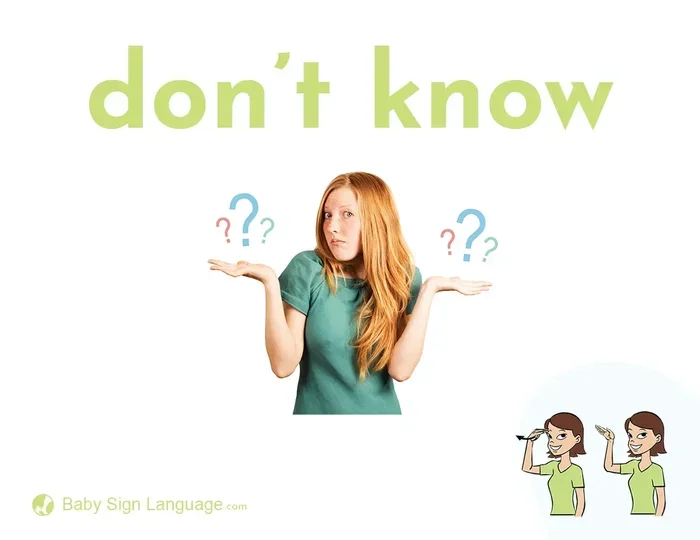

Learning how to say I don’t know in ASL is easier than you think. The basic sign involves a simple hand movement near your shoulder, combined with the right facial expression. Whether you are a beginner or brushing up on your skills, this guide will walk you through everything you need to sign confidently in real conversations.
Key Takeaways
- Simple Hand Movement: The ASL sign for “I don’t know” uses a quick shrug-like motion with your hands.
- Facial Expressions Matter: Your face communicates just as much as your hands in American Sign Language.
- Context Changes Everything: Different situations may call for slightly different versions of the sign.
- Practice Makes Perfect: Regular practice with real conversations builds true confidence in signing.
- Deaf Culture Is Key: Understanding the cultural side helps you sign more naturally and respectfully.
- Resources Are Abundant: Videos, apps, and online communities make learning ASL accessible for everyone.
📑 Table of Contents
- Learn How to Say I Dont Know in ASL With Confidence
- What Is ASL and Why Does It Matter?
- The Exact Sign for “I Don’t Know” in ASL
- Facial Expressions: The Secret Sauce of ASL
- Common Mistakes Beginners Make When Signing “I Don’t Know”
- Where to Practice and Improve Your ASL Skills
- How This Sign Fits Into Bigger Conversations
- Why Confidence Matters When Signing
- Conclusion
Learn How to Say I Dont Know in ASL With Confidence
Have you ever been in a situation where you needed to communicate but did not know the words? Now imagine that happening in a completely different language — one that uses hand gestures instead of spoken words. That is the reality for many people learning American Sign Language, or ASL.
Knowing how to say I don’t know in ASL is one of the most practical skills you can pick up. Whether you are meeting someone who is deaf, traveling, or simply expanding your communication abilities, this basic phrase opens doors. It is simple, expressive, and universally understood in the signing community.
But here is the thing — signing “I don’t know” is not just about moving your hands. It involves your face, your body, and even your understanding of deaf culture. In this guide, we will break it all down step by step. You will learn the exact hand positions, the facial expressions that make the sign authentic, and common mistakes to avoid.
By the end of this article, you will feel ready to use this sign in real life. No more guessing. No more awkward moments. Just clear, confident communication.
What Is ASL and Why Does It Matter?
American Sign Language is a complete, natural language used by millions of people across the United States and parts of Canada. It is not just a collection of gestures. ASL has its own grammar, syntax, and rules that are different from English. Understanding this is the first step toward becoming a better signer.
The Role of Nonverbal Communication
When you communicate through sign language, every part of your body sends a message. Your hands form words. Your face shows emotion. Your body posture adds meaning. This is called nonverbal communication, and it is incredibly powerful.
Think about it this way. When someone says “I don’t know” out loud, they might shrug or raise their eyebrows. In ASL, you do all of that with your hands and face at the same time. The facial expressions in ASL are not optional — they are essential.
Why Learning Basic ASL Phrases Helps
Starting with simple phrases like “I don’t know” gives you a foundation. It builds your confidence and helps you understand how ASL grammar works. From there, you can expand into more complex sentences and conversations. Many people find that learning basic ASL phrases is the fastest way to start meaningful conversations with deaf individuals.
The Exact Sign for “I Don’t Know” in ASL
Now let us get to the heart of the matter. How do you actually sign “I don’t know”? It is simpler than you might expect.
Step-by-Step Breakdown
Follow these steps carefully to get the sign right:
- Start with your dominant hand: Hold your hand up with your palm facing inward, near your shoulder.
- Make a loose fist: Keep your fingers relaxed but curled gently. Do not squeeze too tight.
- Shrug your shoulders: Move your hand up and down slightly while raising and lowering your shoulders.
- Use the right facial expression: Raise your eyebrows slightly and tilt your head forward. This shows uncertainty.
- Hold the motion for a beat: Do not rush. A quick, deliberate movement is clearer than a fast, sloppy one.
That is it! The entire sign takes just a second or two. But getting the details right makes a huge difference in how natural it looks.
Common Variations You May See
In the ASL dictionary, you might find a few variations of this sign. Some signers use both hands instead of one. Others incorporate a more dramatic shoulder shrug. These variations are all valid. The key is consistency and clarity. As long as your meaning comes through, you are doing it right.
Some learners also wonder about finger spelling as an alternative. You could spell out “I-D-O-N-T-K-N-O-W” using the ASL alphabet. However, this is slower and less natural than using the standard sign. Reserve finger spelling for names or specific terms that do not have a dedicated sign.
Facial Expressions: The Secret Sauce of ASL
Here is something that surprises many beginners — your face does half the work in sign language expressions. If you sign “I don’t know” with a blank face, people might not understand you correctly. Your eyebrows, eyes, and mouth all play a role.
How to Use Eyebrows and Eyes
When signing “I don’t know,” raise your eyebrows slightly. This signals uncertainty or a question-like tone in ASL grammar. Your eyes should look thoughtful or slightly lowered, as if you are genuinely thinking about the answer.
Body Language and Shoulder Movement
Your shoulders should move naturally. A small, relaxed shrug works best. Avoid overdoing it. Big exaggerated movements can come across as theatrical rather than genuine. The goal is to look natural and approachable.
Nonverbal communication in ASL is a beautiful blend of subtlety and expression. The more you practice matching your face to your hands, the more fluent you will appear.
Common Mistakes Beginners Make When Signing “I Don’t Know”
Everyone makes mistakes when learning something new. The good news is that most common errors are easy to fix once you know what they are.
Mistake 1: Forgetting the Facial Expression
This is the number one error beginners make. They focus entirely on the hand movement and forget that facial expressions in ASL carry grammatical weight. Without the right expression, the sign can look incomplete or confusing.
Mistake 2: Using Too Much Force
Signing should feel relaxed and fluid. If you clench your fist too tightly or jerk your hand aggressively, it looks unnatural. Keep your movements smooth and gentle.
Mistake 3: Ignoring ASL Grammar Rules
ASL is not English translated into hand signs. It follows its own structure. For example, in ASL, you might sign “I” then “don’t” then “know” in a different order than you would in English. Learning ASL grammar early on saves you from developing bad habits.
Mistake 4: Not Practicing Enough
Watching videos is helpful, but it is not enough. You need to practice signing in front of a mirror or with a partner. Repetition builds muscle memory, and muscle memory leads to confidence.
Quick Tips to Avoid These Mistakes
- Record yourself signing and watch it back.
- Practice in front of a mirror to check your facial expressions.
- Sign with a friend or join an online signing community.
- Review ASL vocabulary regularly to reinforce what you have learned.
Where to Practice and Improve Your ASL Skills
Getting good at ASL takes time and consistent effort. The good news is that there are many resources available today to help you along the way.
Online Video Resources
Platforms like YouTube have countless channels dedicated to teaching ASL for beginners. Watching native signers is one of the best ways to improve your technique. Look for channels that focus on ASL video resources with clear, slow demonstrations.
Apps and Interactive Tools
Several apps now make it easy to practice sign language basics on your phone. These tools often include quizzes, video lessons, and interactive exercises that make learning fun and engaging.
Local Deaf Community Events
If you want to take your skills to the next level, attend local Deaf community events. These gatherings give you real-world practice and help you connect with native signers. Immersing yourself in deaf communication environments accelerates your learning dramatically.
You can also look for online forums and social media groups where people share signing tips and practice together. Learning from others who share your journey keeps you motivated and accountable.
How This Sign Fits Into Bigger Conversations
Signing “I don’t know” is not just a standalone phrase. It fits into larger conversations and helps you navigate real-life interactions with deaf individuals.
Using It in Questions
In ASL, raising your eyebrows while signing “I don’t know” can turn it into a question. For example, you might sign “I don’t know what you mean?” with raised eyebrows to seek clarification. This ASL grammar rule is essential for natural-sounding conversations.
Combining It With Other Signs
Once you are comfortable, try combining “I don’t know” with other ASL vocabulary. For example, you could sign “I don’t know the answer” or “I don’t know that person.” Building these combinations helps you express more complex ideas without needing to learn entirely new signs.
Why Confidence Matters When Signing
Confidence changes everything in nonverbal communication. When you sign with certainty, people understand you more clearly — even if your technique is not perfect yet. Deaf individuals are generally very patient and appreciative when hearing people make the effort to communicate in their language.
Remember that every expert signer was once a beginner. The fact that you are learning how to say “I don’t know” in ASL shows respect and willingness to connect. That matters more than getting every detail perfect on day one.
Keep practicing. Keep signing. And most importantly, keep enjoying the journey of learning one of the most beautiful languages in the world.
Conclusion
Learning how to say I don’t know in ASL is a simple yet powerful step toward better communication. You now know the exact hand movements, the importance of facial expressions, and the common mistakes to avoid. Practice these steps regularly, seek out real-world opportunities to sign, and lean into the rich culture behind the language.
Whether you are signing with a friend, meeting someone new, or just exploring a new skill, this basic phrase will serve you well. Start today, stay patient with yourself, and watch your confidence grow with every sign you make.
And hey, if you ever want to lighten the mood after a great conversation, try sharing some funny jokes to tell your crush — it is a wonderful way to build connections in any language, including ASL!
Also, if you are looking for more ways to engage someone special, check out these good jokes to tell a girl that work beautifully in any social setting.
Frequently Asked Questions
Is the ASL sign for “I don’t know” the same as in other sign languages?
Not necessarily. Different countries have their own sign languages, and the sign for “I don’t know” can vary. The sign described in this article is specific to American Sign Language used in the United States and parts of Canada. Always learn from resources specific to your region’s sign language.
Can children learn this sign easily?
Yes, children pick up ASL signs quickly, especially simple ones like “I don’t know.” The shrugging motion is intuitive, and kids naturally use facial expressions to communicate. It is a great sign to teach young learners early on.
Do I need to know ASL grammar to sign “I don’t know”?
You do not need to master the entire grammar system to use this sign. However, understanding basic ASL grammar helps you use the sign correctly in context. Raised eyebrows and proper sentence structure make your signing clearer and more natural.
How long does it take to learn this sign?
Most people can learn the basic sign within a few minutes of practice. However, signing it naturally and confidently in conversations may take a few days of regular practice. Consistency is more important than speed.
Are there any cultural considerations I should keep in mind?
Yes. Deaf culture values direct and honest communication. Signing “I don’t know” is seen as a respectful and authentic response. It is always better to sign honestly than to pretend you understand something you do not.
Can I use this sign in professional or educational settings?
Absolutely. This sign is appropriate in any setting where you need to communicate uncertainty. In classrooms, workplaces, or social gatherings, signing “I don’t know” shows honesty and engagement, which are valued traits in both hearing and Deaf communities.
=== META TITLE ===
Learn How to Say I Dont Know in ASL | ASL Basics Guide
=== URL SLUG ===
learn-how-to-say-i-dont-know-in-asl
=== SEO TITLE ===
Learn How to Say I Dont Know in ASL With Confidence