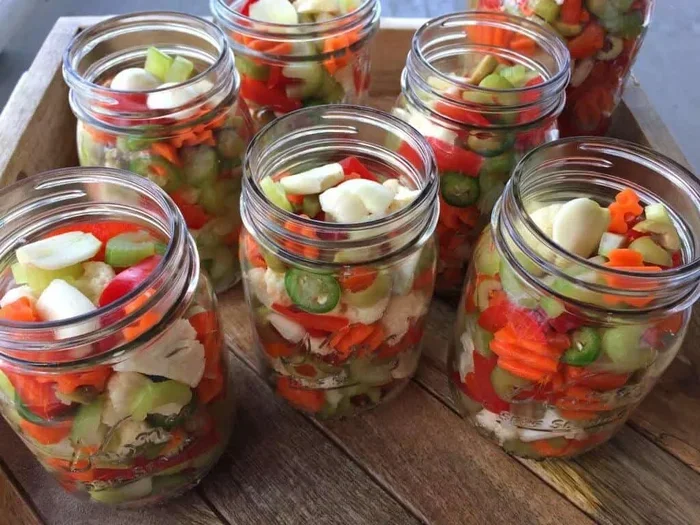

Learning how to say giardiniera correctly opens the door to authentic Italian food culture. This guide breaks down the pronunciation step by step so anyone can master it. You will also discover what giardiniera is, its origins, and the best ways to use it in everyday cooking. Whether you order at a restaurant or cook at home, this guide has you covered.
Have you ever been at an Italian restaurant and felt unsure about how to say giardiniera? Maybe you have seen it on a menu and wondered if you were ordering it right. You are not alone. This classic Italian pickled vegetable mix has a name that trips up even the most confident food lovers. But here is the good news. Once you learn how to say giardiniera properly, you will never feel awkward again.
Giardiniera is more than just a fancy word. It is a delicious Italian condiment made from pickled vegetables, olive oil, and spices. People love it on sandwiches, pizza, and pasta. It adds a tangy, spicy kick to almost any dish. And the best part is that once you know the giardiniera pronunciation, you can share it proudly with friends and family. This guide will walk you through everything you need to know, from the basics of the word to the many ways you can enjoy this tasty treat.
Learning a new word can feel like a small victory. And when that word is tied to such a flavorful part of Italian cuisine, the win feels even better. So let us dive in and break down the Italian pronunciation of giardiniera piece by piece. By the end, you will sound like a native speaker.
Key Takeaways
- Correct pronunciation matters: Saying giardiniera the right way shows respect for Italian culture and helps you order with confidence.
- Break it into syllables: The word has five syllables, and each one matters for proper Italian pronunciation.
- Chicago-style and Italian-style differ: Both are delicious, but they vary in spice level and ingredients.
- Giardiniera is versatile: You can use it on sandwiches, pizza, pasta, and more.
- Health benefits are real: This pickled vegetable mix offers probiotics and low-calorie flavor.
- Making it at home is easy: A simple recipe lets you control spice levels and ingredients.
📑 Table of Contents
What Is Giardiniera?
The Origins of Giardiniera
The word giardiniera comes from the Italian word giardino, which means garden. So giardiniera literally translates to “from the garden.” This makes perfect sense when you look at what goes into it. The dish originated in Southern Italy, where home cooks would pickle fresh vegetables from their gardens in olive oil and spices. It was a way to preserve the harvest and enjoy it year-round.
Over time, giardiniera traveled across the Atlantic with Italian immigrants. It found a new home in cities like Chicago, where it became a beloved part of local food culture. Today, you can find giardiniera in delis, restaurants, and homes all over the world. The giardiniera origins are humble, but the flavor is anything but.
What Goes Into Giardiniera?
The traditional giardiniera recipe includes a mix of vegetables pickled in oil. Common ingredients are:
- Bell peppers (green, red, or yellow)
- Italian pickled peppers for heat
- Cauliflower florets
- Celery stalks
- Carrots sliced thin
- Onions chopped finely
- Olive oil as the base
- Vinegar, salt, and spices
Some versions add cauliflower, carrots, and even anchovies. The beauty of giardiniera is that it is flexible. You can adjust the vegetables and spice level to suit your taste. Whether you prefer a mild mix or a fiery hot version, there is a giardiniera out there for you.
How to Say Giardiniera: A Step-by-Step Pronunciation Guide
Now let us get to the heart of the matter. How to say giardiniera the right way? It is easier than you think. The key is to break the word into its syllables and say each one clearly.
Breaking Down the Word
The word giardiniera has five syllables. Here they are:
- jar – like the container you store things in
- dee – like the letter “D”
- nair – like the word “air” with an “n” at the start
- eh – a short, open vowel sound
- rah – like a soft “rah” you might hear at a sports game
Put them together and you get: jar-dee-nair-eh-rah. That is it. Five syllables, five small steps. The stress falls on the third syllable, “nair.” So say it like jar-dee-NAIR-eh-rah.
The Italian Way to Say Giardiniera
In Italian pronunciation, every syllable gets its fair share of sound. There are no silent letters in giardiniera. Each vowel is pronounced clearly. This is different from English, where we often skip vowels or blend sounds together.
Here are some tips to sound more authentic:
- Keep the “g” soft, like a “j” sound in English
- Pronounce the “ie” as two separate sounds: “ee” and “eh”
- Roll the “r” slightly at the end if you can
- Do not rush through the syllables
- Say each vowel clearly and distinctly
When you practice at home, try saying it slowly first. Then speed up a little. Before long, saying giardiniera will feel completely natural.
Common Mistakes People Make
Even well-meaning food lovers get tripped up. Here are the most common mistakes:
- Skipping syllables: Some people say “jar-dee-nair-ah” and drop the last two syllables. That is not correct.
- Adding an extra “ee” sound: Do not say “jar-dee-nee-air-ee-ah.” Keep it simple.
- Pronouncing the “g” hard: In Italian, the “g” before “i” or “e” is soft. Say “jarr,” not “garrr.”
- Stressing the wrong syllable: The stress belongs on “nair,” not on “jar” or “rah.”
If you make any of these mistakes, do not worry. Even Italians appreciate the effort. The important thing is that you are trying. And once you know the correct giardiniera pronunciation, you will feel much more confident.
Why Pronunciation Matters
Showing Respect for Italian Culture
Language is a bridge between cultures. When you take the time to learn how to say a word the right way, you show respect for the people who created it. Italian food is deeply tied to tradition, family, and regional identity. Pronouncing giardiniera correctly is a small gesture that honors that heritage.
Think about it this way. If someone from another country tried to say a word from your language, would you not appreciate the effort? Of course you would. The same goes for Italian food lovers and Italian culture in general.
Ordering Like a Pro at Italian Restaurants
When you walk into an Italian restaurant and confidently ask for giardiniera, something shifts. The server notices. The atmosphere changes. You are no longer a tourist fumbling over words. You are someone who knows what they want and appreciates the food they are ordering.
Next time you are at a dinner party or a gathering, you can impress your friends by correctly ordering giardiniera. In fact, if you are trying to break the ice with someone new, sharing your knowledge of Italian food and pronunciation can be a great conversation starter. You might even share some funny jokes to tell your crush while you are at it, combining your love of food and fun social skills.
Types of Giardiniera You Should Know
Not all giardiniera is the same. Different regions and styles bring unique flavors to the table. Here are the most popular types you should explore.
Chicago-Style Giardiniera
Chicago giardiniera is the version most Americans know. It is spicy, oily, and packed with flavor. The vegetables are pickled in a mix of olive oil, vinegar, and hot peppers. People in Chicago love it on Italian beef sandwiches. It is also a popular topping for pizza and hot dogs.
Chicago-style giardiniera tends to be hotter than the Italian original. The heat comes from Italian hot peppers and sometimes chili flakes. If you like spicy food, this is the version for you.
Traditional Southern Italian Giardiniera
The original Southern Italian version is milder and more focused on the natural flavors of the vegetables. It uses a lighter oil and fewer hot peppers. The result is a fresh, tangy condiment that pairs well with antipasto platters and cheese boards.
If you are new to giardiniera, the traditional version is a great starting point. It lets you taste each vegetable clearly without overwhelming heat.
Mild vs. Hot Giardiniera
One of the biggest decisions when choosing giardiniera is the spice level. Here is a quick comparison:
- Mild giardiniera: Great for beginners. Focuses on the tangy, briny flavors of the pickled vegetables. Works well on sandwiches and salads.
- Hot giardiniera: For those who love heat. The Italian hot giardiniera version packs a punch and pairs perfectly with rich meats like Italian beef.
You can always start mild and work your way up. Or mix both on the same plate for a balanced flavor experience.
Delicious Ways to Enjoy Giardiniera
Now that you know how to say giardiniera and understand the different styles, let us talk about how to use it. This condiment is incredibly versatile, and there are many ways to enjoy it every day.
Giardiniera on Sandwiches
The most classic use for giardiniera is on a sandwich. It pairs beautifully with Italian beef, roast beef, and even turkey. The tangy pickled vegetables cut through the richness of the meat and add a burst of flavor.
If you are making a giardiniera sandwich at home, here is a quick idea:
- Start with a crusty Italian loaf
- Add sliced deli meat or roasted chicken
- Top with a generous spoonful of giardiniera
- Add a slice of provolone cheese
- Drizzle with a little olive oil
It is simple, delicious, and ready in minutes. Your friends and family will be impressed.
Giardiniera as a Pizza Topping
Have you ever tried giardiniera on pizza? It is a game-changer. The pickled vegetables add a tangy contrast to the melted cheese and savory sauce. Many pizzerias in Chicago offer giardiniera as a topping, and once you try it, you will never go back.
For the best results, add the giardiniera after the pizza comes out of the oven. The heat will warm it up without making it soggy. It is a simple trick that makes a big difference.
Sharing pizza with friends is always a good time. If you are hosting a casual get-together, you could even share some good jokes to tell a girl while everyone enjoys the food together. Good food and good laughs make any gathering better.
Giardiniera in Pasta Dishes
Giardiniera also works beautifully in pasta. Chop it up finely and toss it with olive oil, spaghetti, and a sprinkle of parmesan cheese. The result is a quick, flavorful dish that feels both rustic and refined.
You can also stir giardiniera into a creamy pasta sauce. The acidity of the pickled vegetables balances the richness of the cream. It is one of those easy Italian recipes that always gets compliments.
Health Benefits of Giardiniera
Probiotics and Gut Health
Because giardiniera is made from fermented vegetables, it contains natural probiotics. These are the good bacteria that support a healthy gut. Eating fermented foods like giardiniera can help with digestion and boost your immune system.
Of course, giardiniera is still high in sodium because of the pickling process. So enjoy it in moderation as part of a balanced diet. A little goes a long way, both in flavor and in health benefits.
Low-Calorie Flavor Boost
One of the best things about giardiniera is that it adds a lot of flavor without many calories. A tablespoon of giardiniera has only about 10 to 15 calories. So you can enjoy the bold taste without worrying about your calorie intake.
This makes giardiniera a great substitute for high-calorie condiments like mayonnaise or ranch dressing. Next time you are making a sandwich or salad, reach for giardiniera instead. Your taste buds will thank you.
How to Make Giardiniera at Home
Making giardiniera at home is easier than you might think. You do not need fancy equipment or hard-to-find ingredients. Here is a simple overview of the process:
- Chop your vegetables into bite-sized pieces
- Place them in a clean glass jar
- Pour hot olive oil, vinegar, and spices over the vegetables
- Seal the jar and let it sit in the refrigerator for at least 24 hours
- Let it marinate for a few days for the best flavor
The longer it sits, the more the flavors develop. Homemade giardiniera makes a wonderful gift, too. Package it in a nice jar and give it to a friend who loves Italian food. They will appreciate the thought and the taste.
Conclusion
Learning how to say giardiniera is just the beginning of your journey with this amazing Italian condiment. From its humble garden origins to its place on sandwiches and pizzas around the world, giardiniera brings joy and flavor to every meal. Now that you know the correct pronunciation, you can order it with confidence, cook with it at home, and share it with the people you love.
Remember, the five syllables are jar-dee-nair-eh-rah. Say them with pride. Embrace the Italian food culture behind every jar. And most of all, enjoy the bold, tangy, and satisfying taste of giardiniera in all its forms. Whether you prefer it mild or hot, on a sandwich or a pizza, this classic condiment has a place at every table. So go ahead, give it a try, and taste the difference that authentic giardiniera can make.
Frequently Asked Questions
What does giardiniera mean in Italian?
Giardiniera comes from the Italian word “giardino,” which means garden. The name reflects the fact that this pickled vegetable mix traditionally uses fresh vegetables straight from the garden. It is a rustic, home-style Italian condiment that has been enjoyed for generations.
Is giardiniera the same as a relish?
Not exactly. While both are pickled condiments, giardiniera uses olive oil and Italian spices, giving it a distinct flavor. Relish is usually vinegar-based and often sweeter. Giardiniera tends to be more savory and complex in taste.
Can you buy giardiniera at the grocery store?
Yes, you can find giardiniera in most grocery stores, especially those with a good international or Italian food section. Look for brands like Cento or Bartolotti. You can also find it at specialty delis and Italian markets for a more authentic option.
How long does homemade giardiniera last?
Homemade giardiniera can last for several weeks in the refrigerator when stored in an airtight jar. The pickled vegetables stay crisp and flavorful for up to a month. Make sure to keep it submerged in oil to preserve its quality and taste.
Can you freeze giardiniera?
It is not recommended to freeze giardiniera. Freezing changes the texture of the vegetables, making them soft and mushy. The pickled flavor can also change. It is best to enjoy giardiniera fresh or refrigerated for the best taste and crunch.
What is the best way to use giardiniera?
The best way to use giardiniera is however you enjoy it most. It is fantastic on sandwiches, as a pizza topping, mixed into pasta, or even eaten straight from the jar as a snack. Experiment with different uses to find your favorite way to enjoy this versatile Italian condiment.