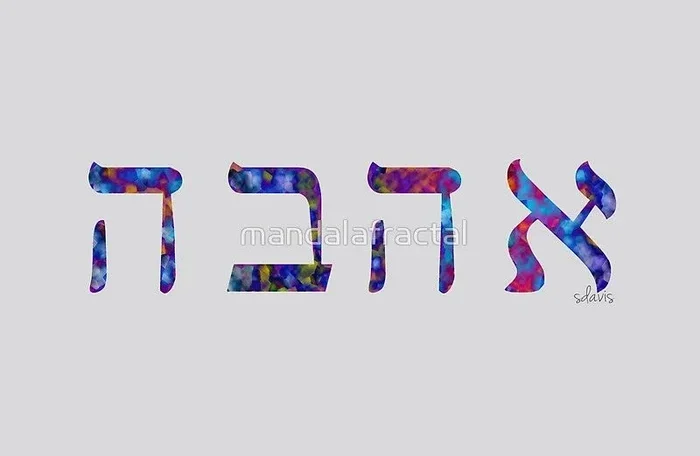

Want to know how to say my love in Hebrew? This guide covers everything from the basic phrase “Ani ohev otach” to romantic Hebrew expressions for any occasion. You will learn pronunciations, cultural context, and playful ways to share your feelings in Hebrew.
Have you ever wanted to tell someone “I love you” in Hebrew but didn’t know where to start? Maybe you have a special someone who speaks Hebrew, or you just love the beauty of the Hebrew language. Either way, learning how to say my love in Hebrew is a wonderful journey.
Hebrew is one of the oldest languages in the world. It carries centuries of history, poetry, and romance in every word. When you express love in Hebrew, you are not just saying a phrase. You are tapping into a rich cultural tradition of love and devotion.
This guide breaks everything down for you. You will learn the basic phrases, how to pronounce them, and even some fun and playful ways to express your feelings. Whether you are just starting out or already know a little Hebrew, this article has something for you. Let us dive in and explore the beautiful world of Hebrew love expressions.
## The Basic Way to Say My Love in Hebrew
The most direct way to say I love you in Hebrew is “Ani ohev otach” for men and “Ani ohevet otach” for women. Let us break this down so it is easy to understand.
### Understanding the Phrase Structure
Hebrew sentences work differently from English. The verb comes first, then the subject, and finally the object. So “Ani ohev otach” literally translates to “I love you.” Here is the breakdown:
– Ani means “I”
– Ohev (for men) or Ohevet (for women) means “love”
– Otach means “you” (when the person you love is female)
If you are speaking to a male, you would say “Ani ohev ota.” The ending changes slightly based on gender. This is a key feature of Hebrew grammar.
### Pronunciation Tips
Getting the sounds right makes a big difference. Here is a simple guide:
– Ani sounds like “ah-NEE”
– Ohev sounds like “oh-HEV”
– Ohevet sounds like “oh-HEV-et”
– Otach sounds like “oh-TAakh”
Practice saying these slowly at first. Once you feel comfortable, speed up naturally. The rhythm of Hebrew is smooth and flowing. Let the words blend together softly.
### When to Use This Phrase
Use “Ani ohev otach” or “Ani ohevet otach” in serious, heartfelt moments. It works for romantic partners, deep family love, or close friendships. In Israeli culture, people do not say this phrase lightly. It carries weight and sincerity.
## Deeper Hebrew Words for Love
Hebrew has more than one word for love. Each word carries a different shade of meaning. Understanding these differences helps you choose the right expression for the right moment.
### Ahava — The Most Common Word for Love
The word ahava (pronounced “ah-hah-VAH”) is the standard Hebrew word for love. You will see it everywhere in Israeli culture. It appears in songs, poems, and everyday conversations.
When you say “I love you” in Hebrew, you are really saying “Ani ohev oheet” or variations of it. The word ahava is the noun form. You might say “Ha ahava sheli” meaning “My love.”
### Chesed — Loving-Kindness
Another beautiful Hebrew word is chesed (pronounced “kheh-SAHD”). This word goes beyond romantic love. It means loving-kindness, compassion, and selfless care.
In the Bible, chesed appears hundreds of times. It describes God’s deep, unwavering love for humanity. When you use this word, you express a love that is patient, generous, and enduring.
### Ahavat Chaim — Love of Life
If you want to express a love for living, use ahavat chaim (pronounced “ah-hah-VAHT khah-EEM”). This phrase means “love of life.” It is a joyful and uplifting expression.
Israeli culture often celebrates life with passion and gratitude. Saying ahavat chaim shows someone that you love not just them but the life you share together.
## Romantic Hebrew Phrases Beyond “I Love You”
Knowing how to say I love you is just the beginning. Hebrew has many romantic phrases that add depth and beauty to your expressions.
### “Ahavat Olam” — Eternal Love
Ahavat olam (pronounced “ah-hah-VAHT o-LAHM”) means “eternal love.” This phrase comes from Jewish prayers and blessings. It speaks of a love that lasts forever.
Use this phrase when you want to promise someone that your love has no end. It is powerful, poetic, and deeply meaningful.
### “Dodi” — My Beloved
The word dodi (pronounced “DOH-dee”) means “my beloved” or “my darling.” It is a term of endearment used widely in Hebrew.
You might hear Israeli couples calling each other dodi and doditi (my beloved for a female). It is warm, intimate, and sweet.
### “Yafa Me’od” — Very Beautiful
If you want to compliment someone in Hebrew, say yafa me’od (pronounced “yah-FAH meh-AWD”). It means “very beautiful” or “very handsome.”
This phrase works perfectly alongside your love expressions. Telling someone they are beautiful in their own language adds a personal touch.
### “Ha’chayim shelanu” — Our Life
Ha’chayim shelanu (pronounced “hah-chah-EEM sheh-LOO-noo”) means “our life.” Israelis use this phrase to express deep connection and shared future.
It is a romantic way to say you are building a life together. The phrase carries warmth and commitment.
## How to Express Love Playfully in Hebrew
Love is not always serious. Sometimes you want to be playful and fun. Hebrew has plenty of lighthearted ways to express affection.
### Using Humor to Express Love
One of the best ways to make someone smile is through humor. If you want to crack a joke to your crush, try something light and sweet. A well-timed joke can make your love message even more memorable.
For example, you could tell your crush a funny line and then follow it up with “Ani ohev otach” in Hebrew. The contrast between humor and sincerity makes the moment special. If you need some joke ideas, check out this collection of jokes to tell your crush for inspiration.
### Cute and Cheesy Hebrew Pick-Up Lines
Here are some fun Hebrew phrases to use when flirting:
– “At yafa me’od” — You are very beautiful
– “Ani rotzeh lir’ot otach harbeh” — I want to see you a lot
– “Dodi, at ohevet oti?” — My darling, do you love me?
– “Ha’lev sheli belev shela” — My heart is in your heart
These phrases are easy to remember and fun to say. They show effort and creativity. Your Hebrew-speaking partner will appreciate the attempt.
### Playful Love Puns
Puns are a universal way to be cute and clever. Love puns in Hebrew can be especially charming because of the language’s unique structure. If you enjoy wordplay, explore these gnome love puns for some fun inspiration that you can adapt into Hebrew-themed humor.
## How to Say My Love in Hebrew in Different Contexts
The way you express love in Hebrew changes depending on the situation. Let us look at a few common contexts.
### In Romantic Relationships
In a romantic relationship, use sincere and direct phrases. “Ani ohev otach” and “Ahavat olam” work beautifully. Israelis tend to be expressive and direct about their feelings. Do not be afraid to say it with confidence.
### With Family Members
Hebrew love expressions extend to family too. You might tell your mother “Ani ohev ota” or say “Chesed” when describing the bond you share with a family member. The warmth of Hebrew family expressions is truly special.
### In Written Messages and Letters
Writing love messages in Hebrew adds a personal and thoughtful touch. You can write “Ahava gdola sheli” (my great love) in a letter or text message. The act of writing in someone’s language shows dedication and care.
### Quick Tips for Using Hebrew Love Phrases
– Practice out loud every day. Repetition builds confidence.
– Listen to Israeli music. Songs are full of romantic Hebrew phrases.
– Watch Hebrew movies and shows. You will pick up natural expressions.
– Use the right gender forms. Match the phrase to the gender of the person you are speaking to.
– Start with simple phrases. Build up to more complex expressions over time.
– Be genuine. Sincerity matters more than perfection in any language.
## Common Mistakes to Avoid When Speaking Hebrew Love Phrases
Even with good intentions, mistakes can happen. Here are some common pitfalls to watch out for.
### Getting the Gender Wrong
Hebrew is a gendered language. Using the wrong verb form can change the meaning or sound awkward. Always match “ohev” for a male speaker and “ohevet” for a female speaker. Pay attention to the gender of the person you are addressing too.
### Mispronouncing Key Words
Hebrew has sounds that do not exist in English. The guttural “kh” sound in words like chesed and ahava can be tricky. Practice these sounds slowly and ask a native speaker for feedback.
### Using the Wrong Context
Some Hebrew love phrases come from religious or traditional texts. Using them casually without understanding their depth can feel disrespectful. Learn the background of each phrase before using it.
### Overcomplicating Things
You do not need to be fluent in Hebrew to express love. Start with a few key phrases and build from there. Simple and sincere always beats complex and confusing.
## Why Learning Hebrew Love Phrases Matters
Language is more than words. It is a bridge between hearts. When you learn how to say my love in Hebrew, you are showing someone that you care enough to learn their language.
Hebrew carries a sense of history, resilience, and beauty. The language has been revived after centuries of being primarily a liturgical language. Today, it thrives as a living, breathing language spoken by millions.
Expressing love in Hebrew connects you to this living tradition. It shows respect for the culture and the people. Whether you are in Israel or speaking with someone online, your effort will not go unnoticed.
## Final Thoughts on Saying “I Love You” in Hebrew
Learning how to say my love in Hebrew opens a door to deeper connection. The language is rich with romantic expressions, from the simple “Ani ohev otach” to the poetic “Ahavat olam.” Each phrase carries its own beauty and meaning.
Start with the basics. Practice pronunciation. Add more phrases as you grow. And most importantly, speak from the heart. Language is at its best when it expresses genuine emotion.
Whether you are telling your partner, your family, or even your crush how you feel, Hebrew gives you the tools to say it beautifully. So go ahead, practice those phrases, and let the words flow. Your loved one will appreciate the effort more than you know.
If you are looking for fun ways to break the ice or add some humor to your romantic expressions, you might enjoy reading good jokes to tell a girl or trying out some playful pick-up lines that blend humor with heart.
Love is a universal language. And now, you have a few more ways to say it in Hebrew.
Key Takeaways
- Core Phrase: “Ani ohev otach” (for men) and “Ani ohevet otach” (for women) are the standard ways to say I love you in Hebrew.
- Multiple Words for Love: Hebrew uses different words like “ahava” (love), “chesed” (loving-kindness), and “dodi” (my beloved) depending on context.
- Biblical Roots: Many Hebrew love expressions come from ancient texts, giving them deep cultural and spiritual meaning.
- Pronunciation Matters: Getting the sounds right helps you sound natural and heartfelt when speaking Hebrew.
- Playful Flirting: Using jokes, puns, and cute phrases adds charm when you tell someone you love them in Hebrew.
- Cultural Awareness: Understanding Israeli dating and expression norms helps you use love phrases in the right moments.
- Practice Makes Perfect: Regular use of Hebrew love phrases builds confidence and connection.
Frequently Asked Questions
What is the simplest way to say I love you in Hebrew?
The simplest way is “Ani ohev otach” for men and “Ani ohevet otach” for women. It directly translates to “I love you” and is understood by Hebrew speakers everywhere. This is the phrase most people learn first when exploring how to say my love in Hebrew.
Is Hebrew a hard language to learn for love phrases?
Not at all! Basic love phrases in Hebrew are straightforward and easy to remember. You only need a few key words to express your feelings. With a little daily practice, you can master these phrases quickly and confidently.
Can I use Hebrew love phrases even if I am not in a relationship with a Hebrew speaker?
Absolutely! Learning Hebrew love phrases is a beautiful way to connect with the language and culture. You can use them in personal journals, practice sessions, or even to surprise a Hebrew-speaking friend or partner. The effort itself shows love and appreciation.
What does “ahava” mean in Hebrew?
“Ahava” is the Hebrew noun for love. It appears in everyday conversations, songs, and religious texts. When you want to express the concept of love in Hebrew, “ahava” is the foundational word you will use. It covers romantic love, familial love, and deep affection.
Are there any Hebrew love songs I can listen to for practice?
Yes! Israeli music is filled with romantic songs that use beautiful Hebrew love expressions. Listening to Hebrew love songs helps you pick up natural pronunciation and common phrases. It is a fun and effective way to immerse yourself in the language of love.
How do I say “my love” in Hebrew as a term of endearment?
You can say “Ha’ahava sheli” (my love) or use “Dodi” for a male and “Doditi” for a female. These terms of endearment are warm and commonly used in Israeli culture. They work perfectly in casual and romantic settings alike.
=== CONCLUSION ===
Learning how to say my love in Hebrew is a rewarding and meaningful experience. From the classic “Ani ohev otach” to the poetic “Ahavat olam,” Hebrew gives you many ways to express your deepest feelings. Each phrase carries history, culture, and sincerity.
Start with the basics, practice regularly, and let your heart guide your words. Whether you are speaking to a partner, a family member, or a crush, Hebrew love phrases will help you connect on a deeper level. The beauty of this language lies in its simplicity and its depth.
So take what you have learned here today and put it into practice. Say it out loud, write it down, share it with someone special. The world of Hebrew love is waiting for you.